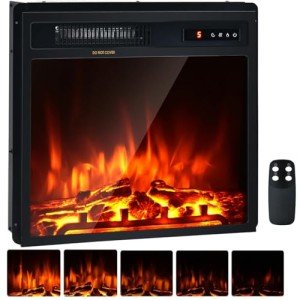
Seven Explanations On Why Wall Hung Fireplace Is Important


The Modern Elegance of Wall Hung Fireplaces
In the realm of contemporary interior decoration, the wall hung fireplace has actually emerged as a striking fusion of performance and looks. These installations supply warmth and ambiance while working as a smooth focal point in different settings, consisting of homes, workplaces, and restaurants. With many styles and innovations readily available, wall hung fireplaces deal with varied tastes and needs. This post looks into their benefits, numerous types, setup considerations, and upkeep pointers, together with a detailed FAQ section to address typical inquiries.
The Appeal of Wall Hung Fireplaces
The growing appeal of wall hung fireplaces can be attributed to numerous factors:
- Space-Saving Design: Ideal for smaller sized locations, wall hung units maximize flooring space, optimizing room layouts.
- Sleek Aesthetics: Known for their contemporary appearance, these fireplaces enhance the overall decoration of a room, using a modern touch.
- Versatility: They can be set up in various areas, consisting of living spaces, bed rooms, and outdoor locations.
- Relieve of Installation: Many models are created for easier installation compared to standard fireplaces.
- Fuel Options: Available in electric, gas, and bioethanol variations, consumers have the flexibility to select based upon preference and functionality.
Table: Comparison of Different Types of Wall Hung Fireplaces
| Type | Fuel Source | Setup Complexity | Upkeep Needs | Effectiveness | Aesthetics |
|---|---|---|---|---|---|
| Electric | Electric | Low | Minimal | High | Streamlined, modern style |
| Gas | Natural gas or lp | Moderate | Regular servicing required | High | Traditional to modern-day |
| Bioethanol | Bioethanol fuel | Low | Very little | Moderate | Trendy and varied |
Kinds Of Wall Hung Fireplaces
1. Electric Wall Hung Fireplaces
Electric models are the simplest to install and normally require just a standard electrical outlet. They make use of LED technology to create realistic flames, while their heating capabilities can effectively warm a space. Lots of electric fireplaces featured adjustable flame settings and remote controls, permitting tailored ambiance.
2. Gas Wall Hung Fireplaces
Gas units use a genuine fire experience with real flames. They can be vented or ventless, with vented models requiring setup of a chimney or flue. Gas fireplaces need a higher level of installation knowledge, and routine servicing is necessary for safe operation.
3. Bioethanol Wall Hung Fireplaces
These environment-friendly fireplaces utilize bioethanol, a renewable resource source. Electric Wall Fire Place do not need a chimney, making them versatile for positioning within a space. However, the flames produced can be unforeseeable in size, and careful adherence to maker standards is important for safety.
Setup Considerations
When considering a wall hung fireplace, it's vital to consider the list below elements:
- Location: Choose a place that permits sufficient clearance from flammable materials. Fireplaces should preferably be set up on an accent wall to make the most of visual impact.
- Structural Support: Ensure the wall can support the weight of the fireplace, especially for heavier gas models.
- Ventilation Needs: Gas fireplaces require correct ventilation to avoid the accumulation of damaging gases. Seek advice from an expert concerning the appropriate venting system.
- Electrical Access: For electric fireplaces, proximity to an electrical outlet is important. Concealing wires for a tidy setup boosts aesthetic appeals.
Upkeep Tips
Appropriate maintenance is important to prolong the life and safety of wall hung fireplaces. Key maintenance tips include:
Regular Cleaning:
- Dust and debris can accumulate. Wipe down the system with a soft, wet fabric.
- Usage specialized cleansers for glass surfaces to preserve clearness.
Annual Inspection:
- For gas fireplaces, have a professional inspect vents and connections yearly for security.
- Check for gas leaks and guarantee proper operation of the ignition system.
Fuel Management:
- Ensure the proper type and quality of fuel is used, specifically for bioethanol models.
- Keep additional stocks of fuel on hand but keep them in a safe place, far from the fireplace.
Pilot Light Monitoring:
- For gas fireplaces, routinely inspect that the pilot burner is lit and operating.
Frequently asked questions
Q1: Are wall hung fireplaces safe to utilize?
A1: Yes, when set up and used according to manufacturer guidelines, wall hung fireplaces are safe. Regular upkeep and evaluations add to safe operation.
Q2: Can wall hung fireplaces be used in houses?
A2: Absolutely. Numerous electric and bioethanol designs are especially suited for homes, as they do not need comprehensive venting.
Q3: How much do wall hung fireplaces cost?
A3: Prices can vary substantially based upon the type, brand name, and functions. Electric fireplaces may start around ₤ 300, while gas models can range from ₤ 1,000 to over ₤ 5,000, depending upon installation intricacy.
Q4: Do wall hung fireplaces produce as much heat as traditional fireplaces?
A4: While they may not normally produce the exact same quantity of heat as traditional wood-burning fireplaces, electric and gas models can successfully heat up a space of average size when utilized appropriately.
Q5: Can I set up a wall hung fireplace on any type of wall?
A5: Most installations need a solid, structural support wall. Constantly talk to an expert to figure out if your wall type is ideal for setup.
Wall hung fireplaces represent a modern-day alternative to standard heating methods, combining performance with modern design. They use numerous advantages, consisting of space-saving setups and visual improvement, making them a beneficial option for today's homeowners and designers. With appropriate installation and upkeep, these sophisticated components can provide heat and charm for several years to come.